Health
Live
Project video
Composting Out of Crisis: Organic Manure for 100 Women Farmers
Bangladesh's farmers are being squeezed by a global fertilizer crisis. 100 women — all parents of children at MATI's daycare centres and eco-school — are ready to make their own organic manure and pesticides, if given two shared compost houses and the right training. 100 women farmers trained & equipped, shared compost houses built, schools/daycares benefiting
Project gallery
Choose a photo or video to view it above.
Funding summary
EUR 0
Funded so far toward a goal of EUR 15,465
Project status
Live
Supporters
0
Deadline
Sep 30, 2027
Location
Shikarikanda, Borobilarpar, Mymensingh, Bangladesh.
Project story
What this project is working toward
Published
Sep 30, 2026
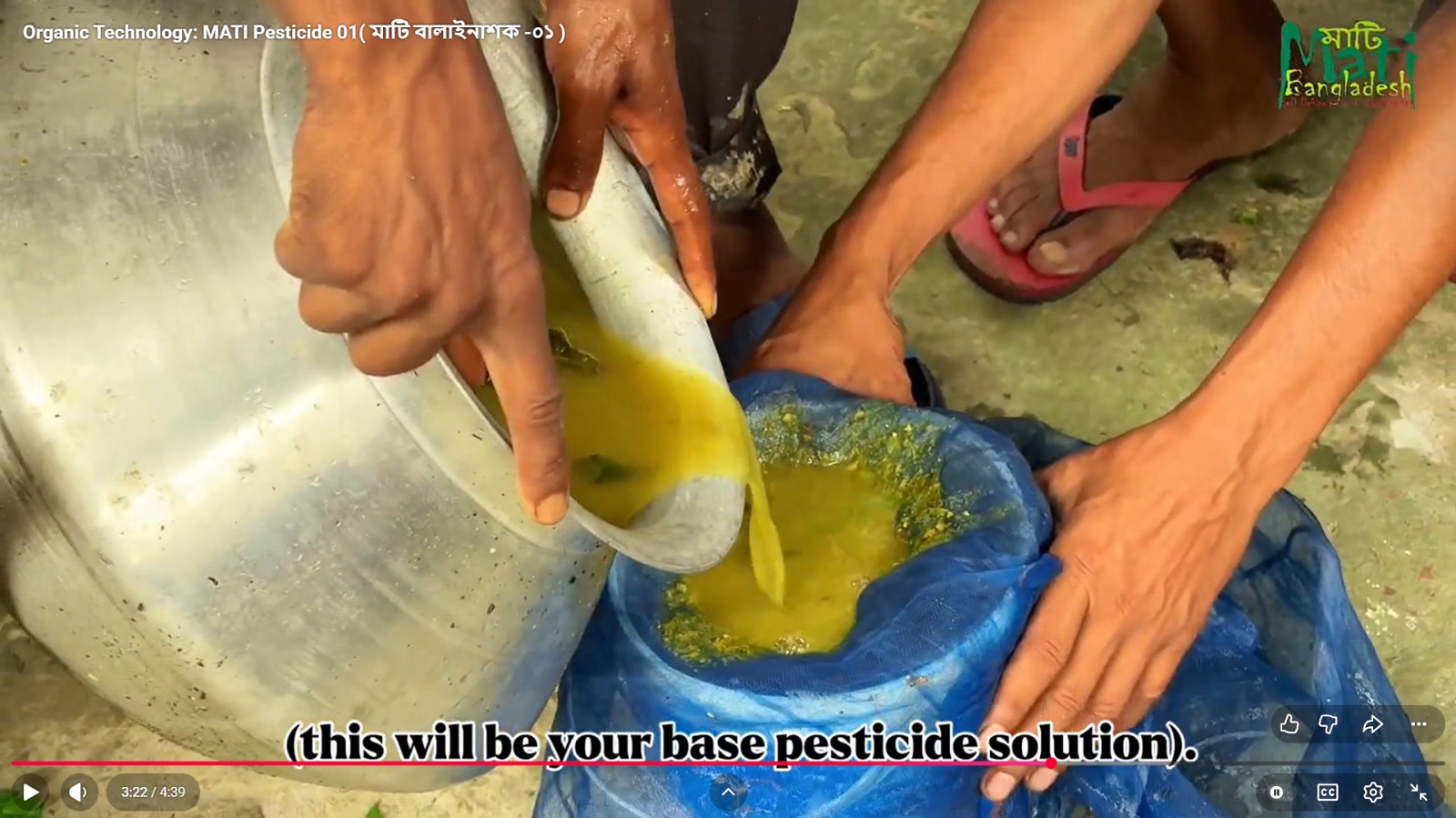
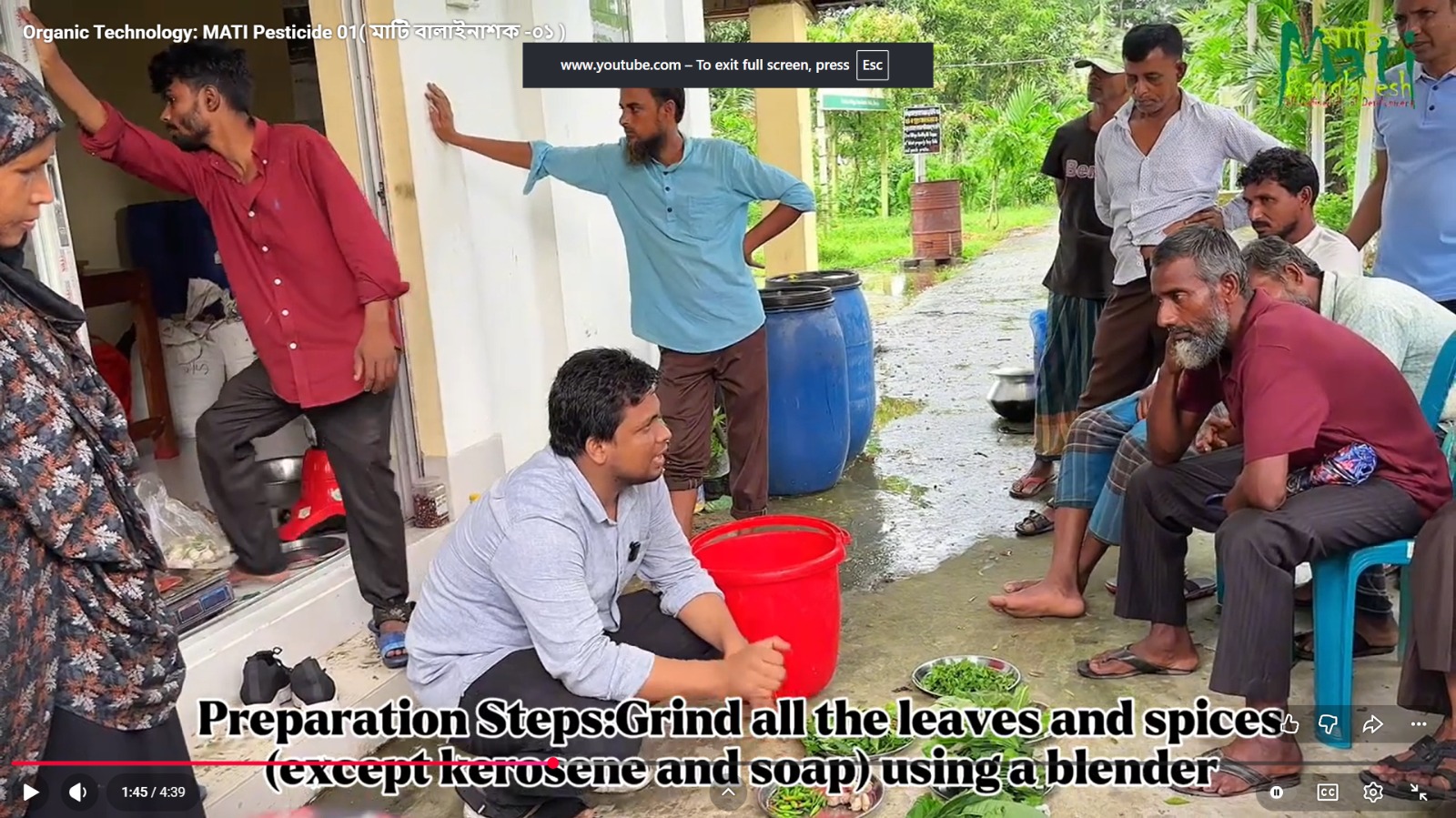
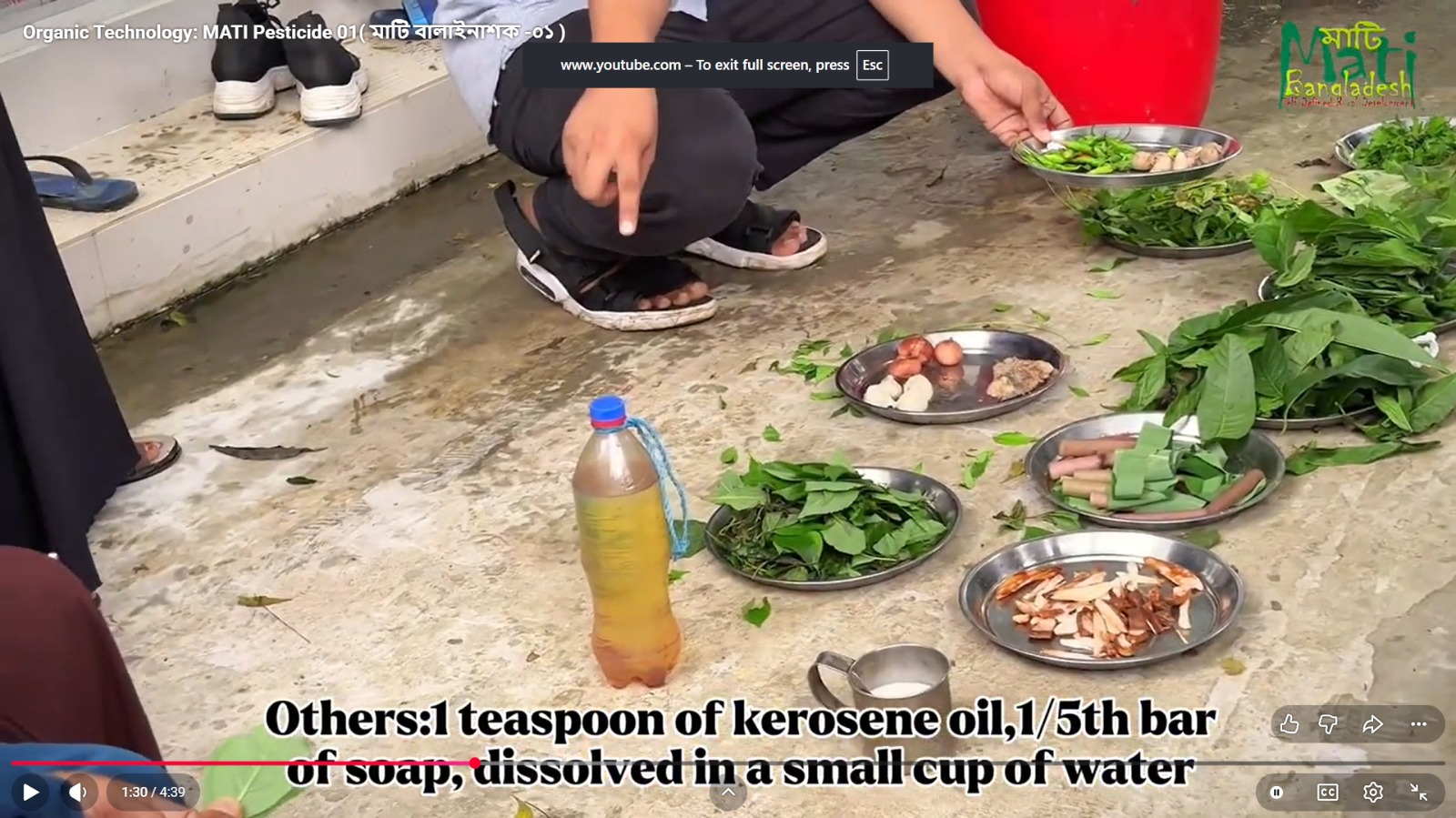
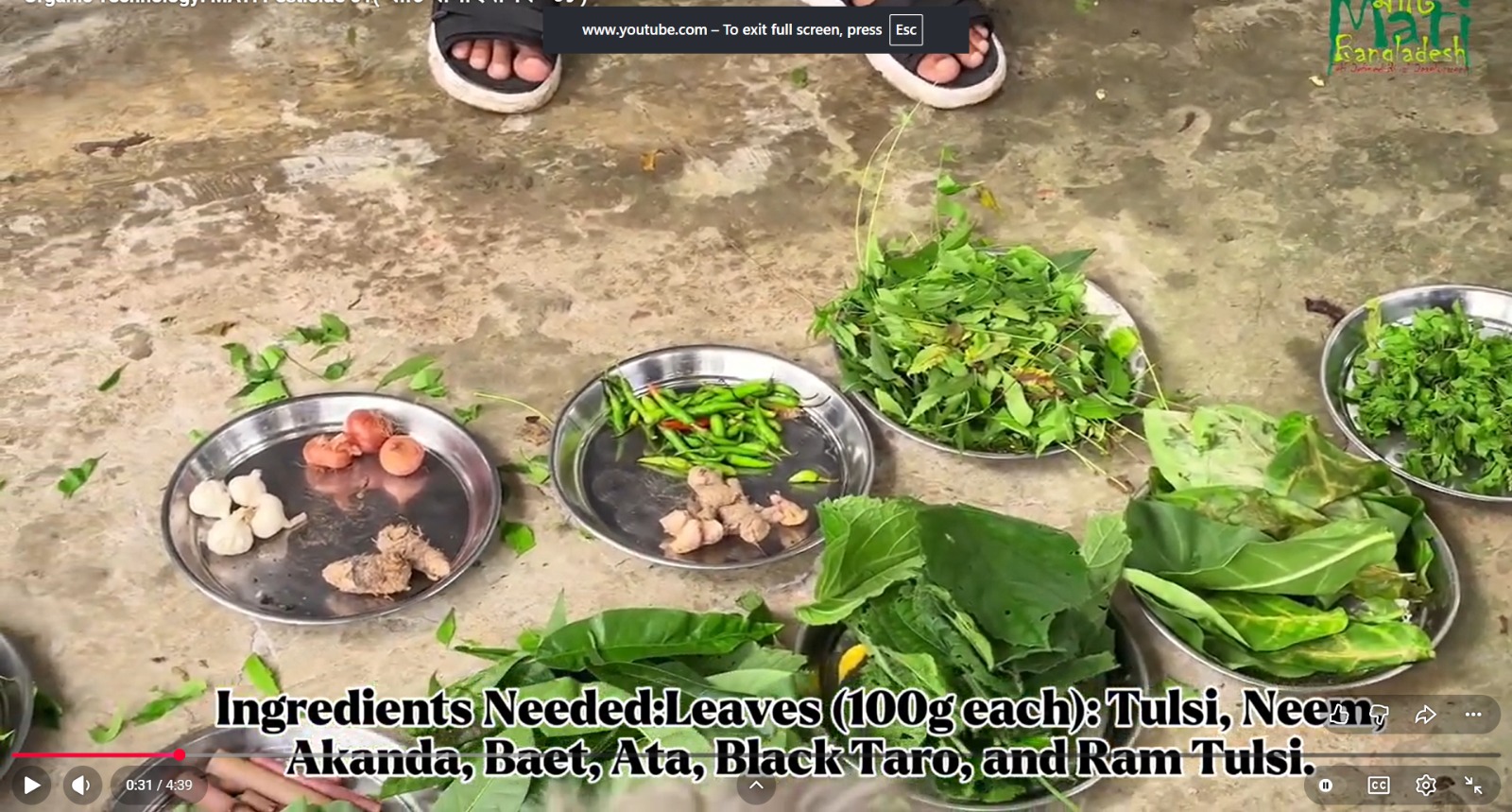
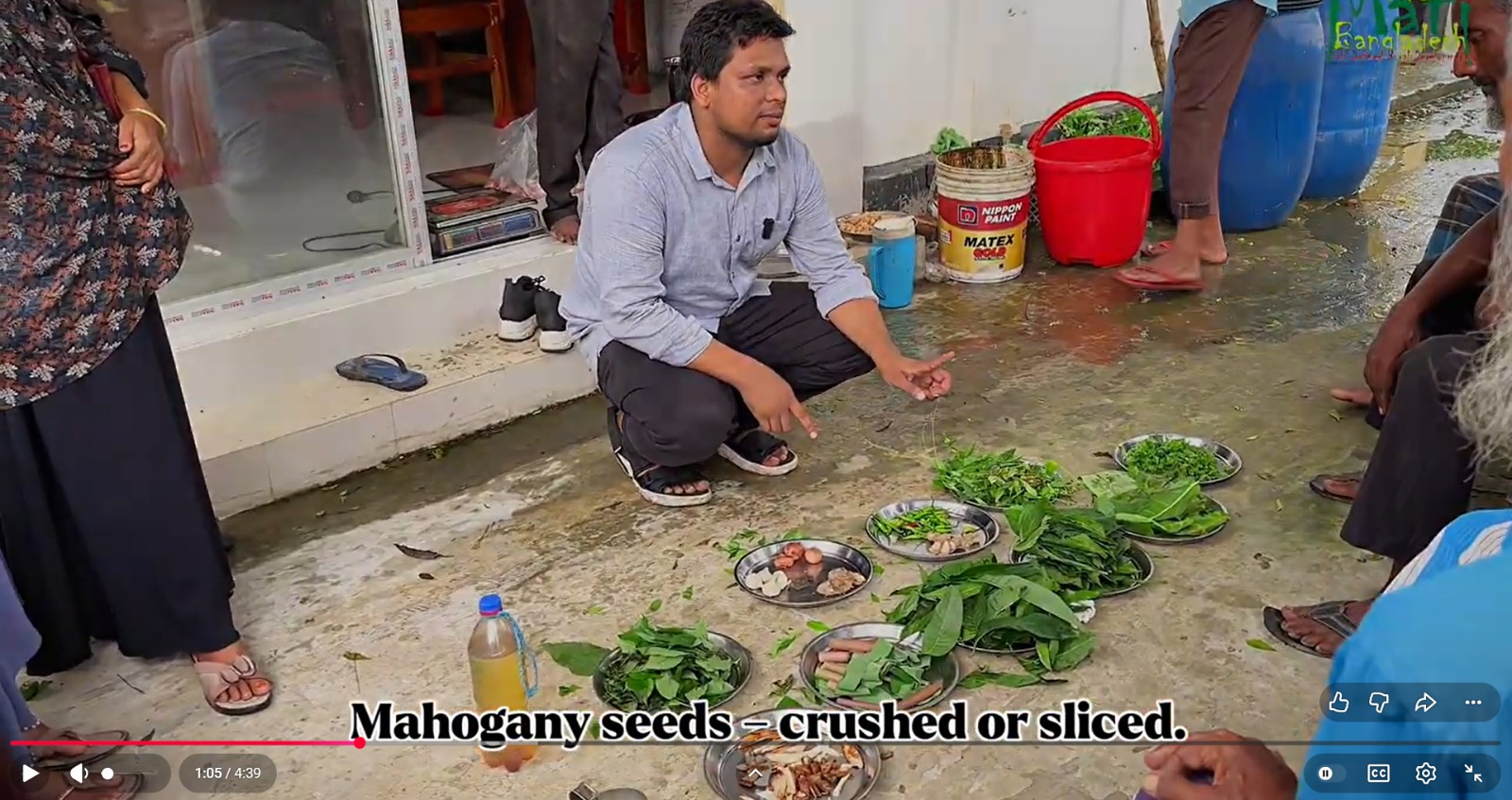
The Crisis Farmers Are Facing Right Now Farmers in Bangladesh are living through a severe fertilizer crisis, driven by supply-chain disruption from ongoing global wars and geopolitical tensions. This is not a new problem — decades of ever-increasing, excessive fertilizer use have made the country heavily dependent on imports, so every global shock lands directly on local farms. Chemical pesticide use is rising just as fast. Marginalized farmers feel this hardest: their cost of production keeps climbing as agrochemical prices spike. At the same time, these same chemicals are steadily damaging the soil, agro-ecology, ecosystems and biodiversity, and contributing significantly to climate change. Motivated Farmers, Missing Infrastructure MATI Bangladesh has spent years motivating and training farmers to produce their own organic manure and botanical pesticides. The farmers are willing — but most can't yet produce their own inputs because of physical and economic constraints. What MATI has learned is simple: give families basic infrastructure, like a compost house with a shed, and they can do the rest themselves. What We're Building Two shared compost houses Two compost houses, each 8 ft × 4 ft × 3 ft with a tin shed, built to serve 100 women from smallholder farming families among the parents of children at MATI Daycare Centre, Borobilarpar. Training, technical support & Trichoderma Hands-on training and ongoing technical support in producing Trichocompost, plus a regular supply of Trichoderma powder — the biological starter that turns household and farm waste into safe, effective organic manure. Botanical pesticide production The same 100 women will be trained to prepare botanical pesticides using locally available materials, giving their farms a full organic alternative to chemical fertilizer and chemical pest control. Who This Reaches ● 100 women from smallholder farmer families, all parents of children enrolled at MATI's Daycare Centre at BBP. ● Children at MATI Eco-Primary School, Gohailkandi Daycare and Pre-School, and Borobilarpar Daycare Centre, through organic food in the school midday meal. ● The same children at home, as their families gain the ability to grow safer food on their own land. What Your Donation Funds — Year 1 Budget The table below sets out the full first-year cost of building the two compost houses, equipping and training 100 women, and keeping technical support running through the year. BDT figures are converted at approximately BDT 138 = EUR 1. Budget item Cost (EUR) Construction of 2 compost houses (8×4×3 ft) with tin shed €652 Trichoderma starter culture — quarterly supply, 100 women €2,899 Training on Trichocompost & botanical pesticide production, 100 women €3,261 Botanical pesticide preparation materials — 100 basic sets €2,174 Field staff — salary & travel, 12 months €3,116 Monitoring, technical follow-up & quality support €1,087 Coordination, communication & printing €870 Contingency (≈ 10%) €1,406 TOTAL (Year 1) €15,465
Project progress
Recent updates and stage summary
0 updatesThis project does not have published updates or stage progress yet. New delivery notes and milestone completions will appear here once the organization shares them.
Budget
Budget placeholders
Budget line items will plug into this section in a later stage. The page structure is already prepared for structured cost breakdowns.
Q and A
Community questions
Questions and answers will be rendered here when public discussion or donor FAQ features are added.
Organization info
MATI XX
Project owner
MATI XX
Public readiness
This project is visible because it passed administrator publication review. Richer organization profiles can be attached here later without changing the page structure.
Project facts
Category
Health
Location
Shikarikanda, Borobilarpar, Mymensingh, Bangladesh.
Goal
EUR 15,465